Mental Models 30 Days of Ship 30 for 30. Here's What Actually Stuck. A pilot's wrap-up after 30 essays in 30 days: the system beat motivation, the data beat my taste, distribution is its own system, and 30 was never the number.
Aviation You Don't Need More Willpower. You Need a System. Thirty cockpit methods, one operating system. Pilots aren't calmer than you — they run a system that makes calm the default. Here's the whole cockpit, for your life.
Human Factors Just Culture: Build a Team That Reports Mistakes, Not Hides Them Punish mistakes and people hide them; learn from them and safety soars. The no-blame culture that made aviation safe — and any team better.
Aviation Currency vs Proficiency: Legal to Fly Isn't the Same as Good Legal to fly isn't the same as good. The quiet, dangerous gap between ticking the boxes and actually being sharp — in the cockpit and your craft.
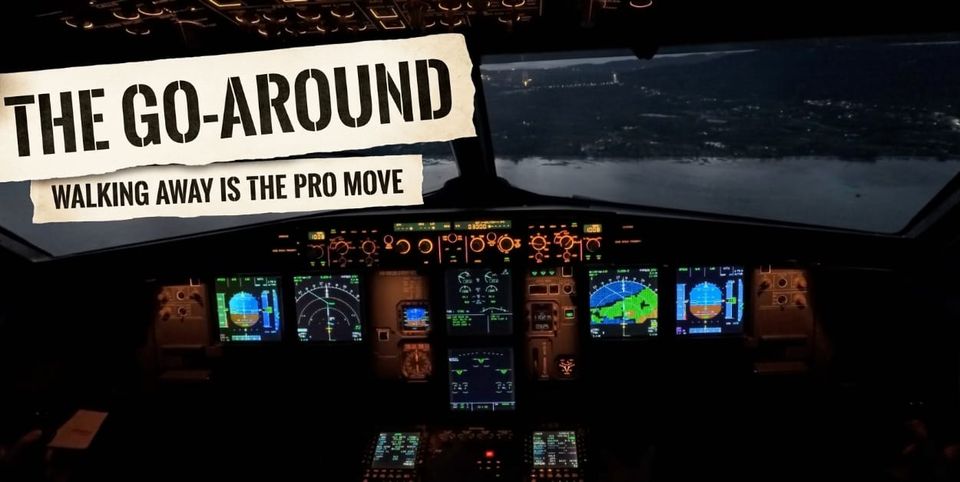
Decision-Making The Go-Around: Why Quitting the Landing Is the Pro Move Quitting a bad landing isn't failure — it's the pro move. The go-around, and why walking away is sometimes the strongest decision you'll make.
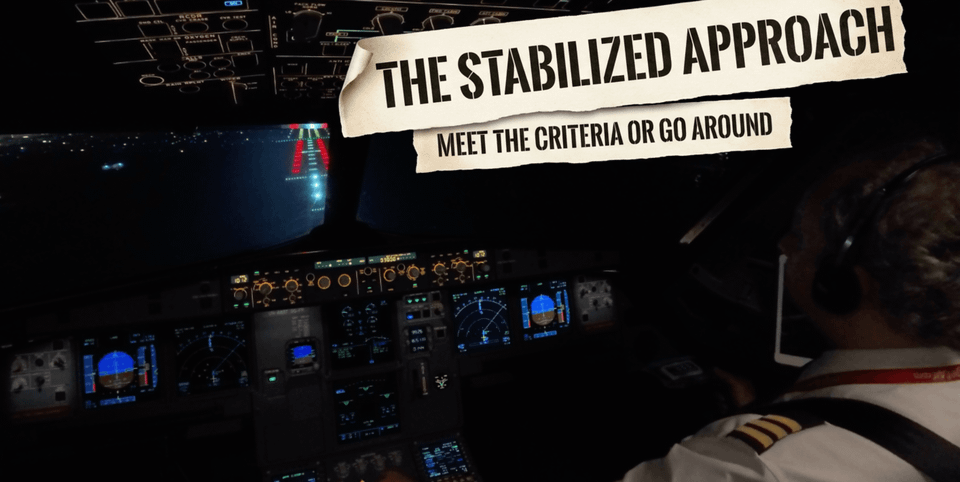
Aviation The Stabilized Approach: Set the Criteria, Not the Outcome Decide what 'on track' looks like before the pressure hits — or abandon the approach. The pilot's rule for pre-committing to your standards.
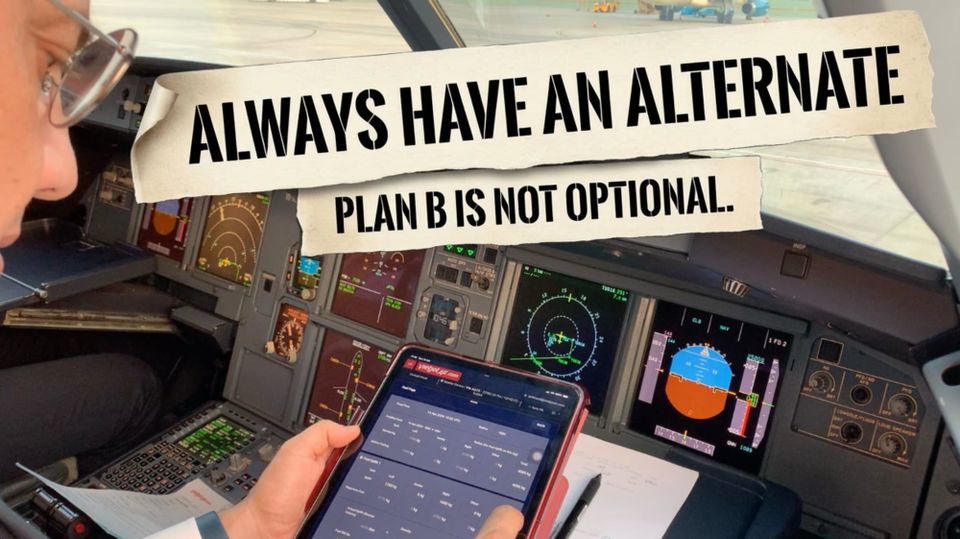
Aviation Always Have an Alternate: The Plan B Pilots Never Fly Without No pilot takes off without a backup airport — it's the law. A named Plan B turns a crisis into a decision. How to carry an alternate through your own life.
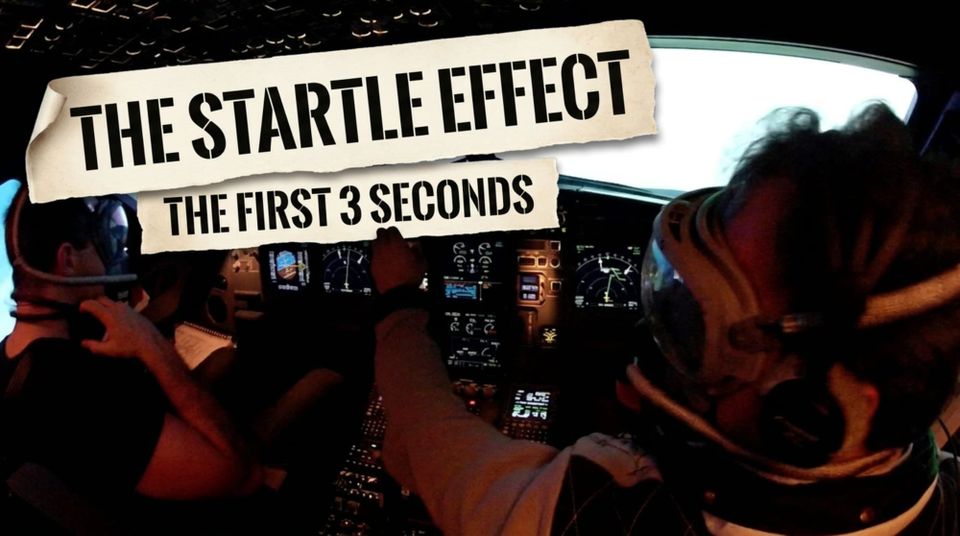
Aviation The Startle Effect: The First 3 Seconds That Decide What Happens Next When life shocks you, your brain goes offline for about three seconds. Aviation was forced to train for that gap — borrow the drill that turns reaction into response.
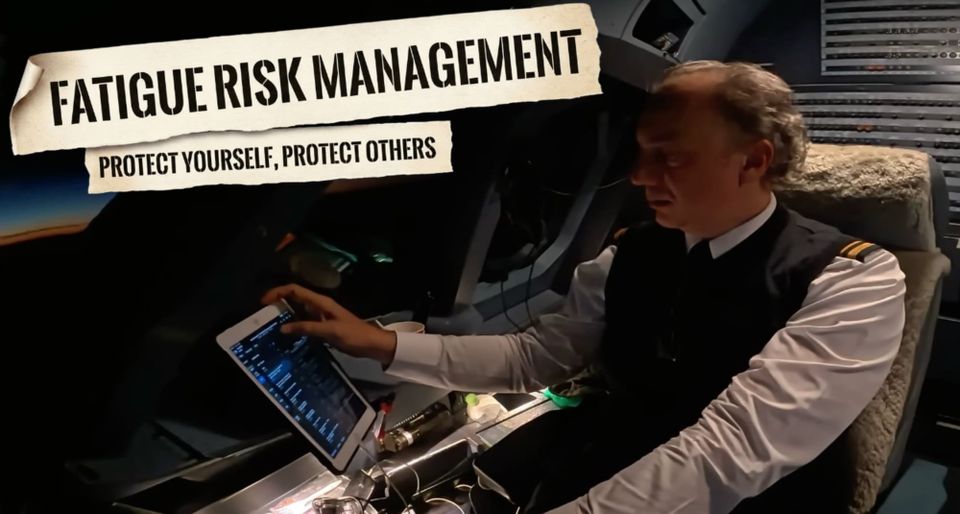
Aviation Protect Yourself — Protect Others — Don't Be Negligent: Fatigue Risk Management Tiredness isn't weakness — it's a hazard you can measure and manage. Fatigue Risk Management, as aviation does it, for shift workers and the chronically busy.
Aviation Normalization of Deviance: How Good Teams Drift Into Disaster Every shortcut that 'worked last time' becomes the new normal — until it doesn't. Normalization of Deviance: how good teams drift toward their own Challenger moment.
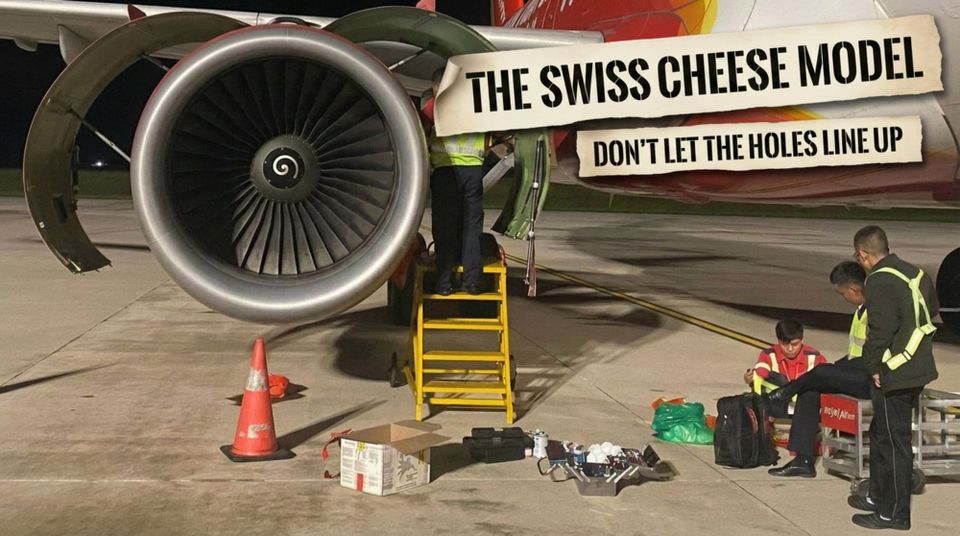
Aviation Bad Days Come From 5 Slices of Swiss Cheese (the Safety Model, Not the Snack). Disasters don't come from one big mistake. They come from small holes lining up. The Swiss Cheese Model: how pilots catch a bad week before it cascades.
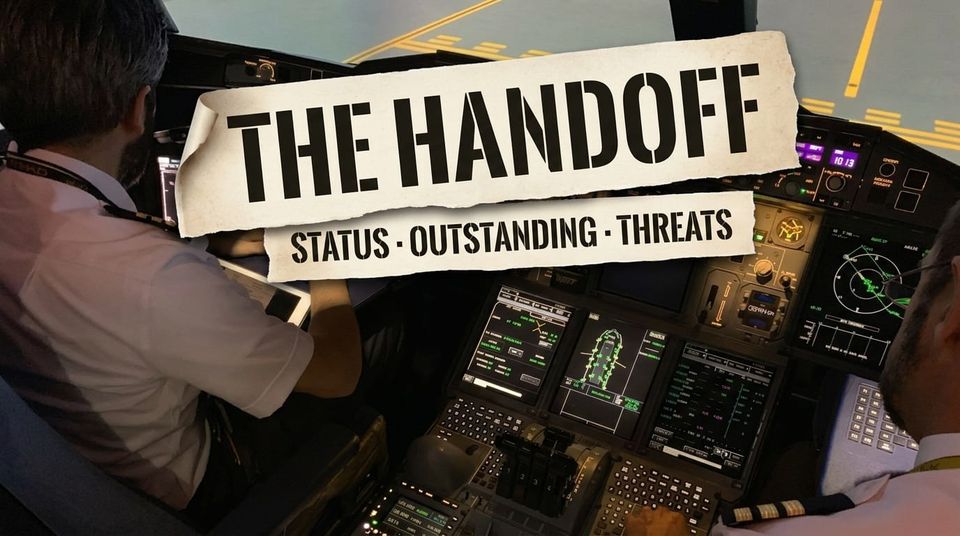
Aviation How to "Hand Off" Anything in 30 Seconds A dropped ball is almost never a skill failure — it's a handoff that never happened. The 30-second briefing pilots use: status, outstanding, threats.