Just Culture: Build a Team That Reports Mistakes, Not Hides Them
Punish mistakes and people hide them; learn from them and safety soars. The no-blame culture that made aviation safe — and any team better.
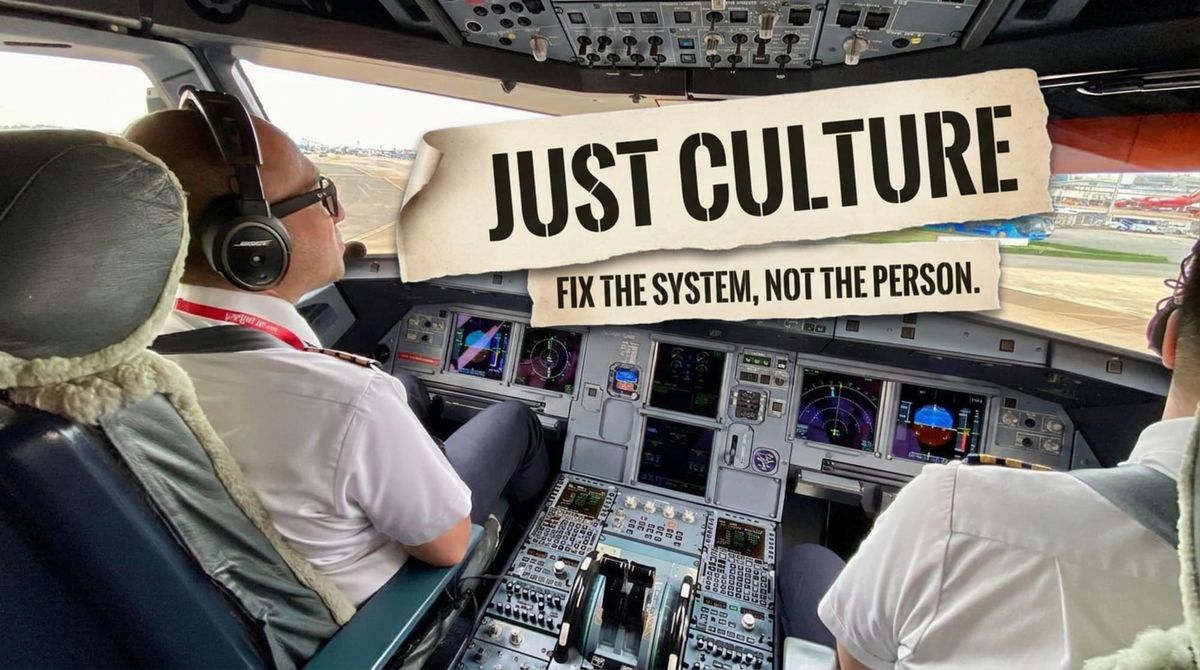
💭 When something goes wrong in a cockpit, we hunt for the hole in the system first — not for someone to blame.
Aviation looks for the hole, not the culprit
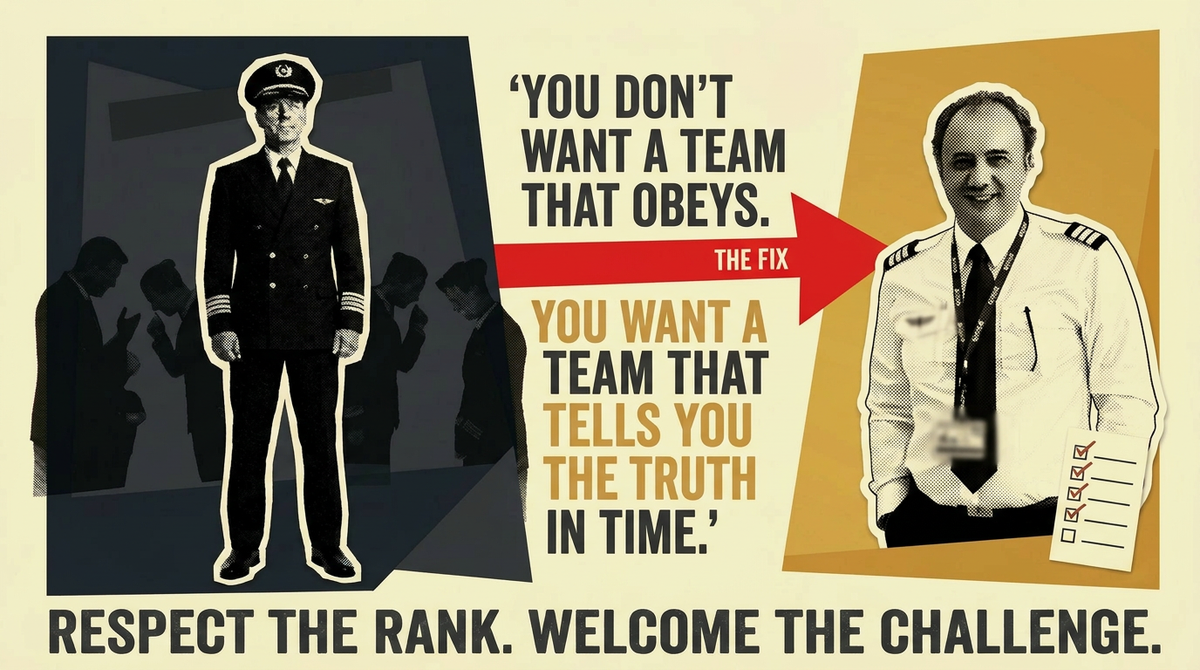
✈️ It's called a Just Culture. The logic is brutally simple: punish people for honest mistakes and they hide them. Hidden mistakes can't be learned from. A system that can't learn is cooking its next accident. — 🔗 read more
But it's not a free pass: recklessness and wilful violations are still escalated. Aviation draws the line between honest mistake and misconduct ruthlessly.
You get it wrong in both directions
🎯 Most homes and workplaces fail twice over. They punish honest mistakes, which leads to secrecy. And they tolerate real misconduct, which breeds cynicism. The result is a place where nobody learns and nobody trusts.
When your kid hides the iPad after lights-out, the answer isn't a harsher punishment. It's a charging station by the front door, your phones included.
✅ So run a just culture, at home and at work.
- when a child breaks something, ask yourself: was it carelessness, or an object left where it could break?
- when someone misses a commitment, ask: a slip, or a pattern?
Make it safe to tell the truth, and people will. — 🔗 read more
🚫 The shift is one question: from "whose fault?" to "what hole made this possible?" Both matter. Just in the opposite order.
☝🏼 Aviation learned to fix the system before blaming the person, because blame kills the reporting that keeps people alive. Your stakes feel smaller, so you reach for fault first. Borrow the order: hunt the hole, protect the honest mistake, and your team and your family finally start to learn.
References
 Olivier Rouchard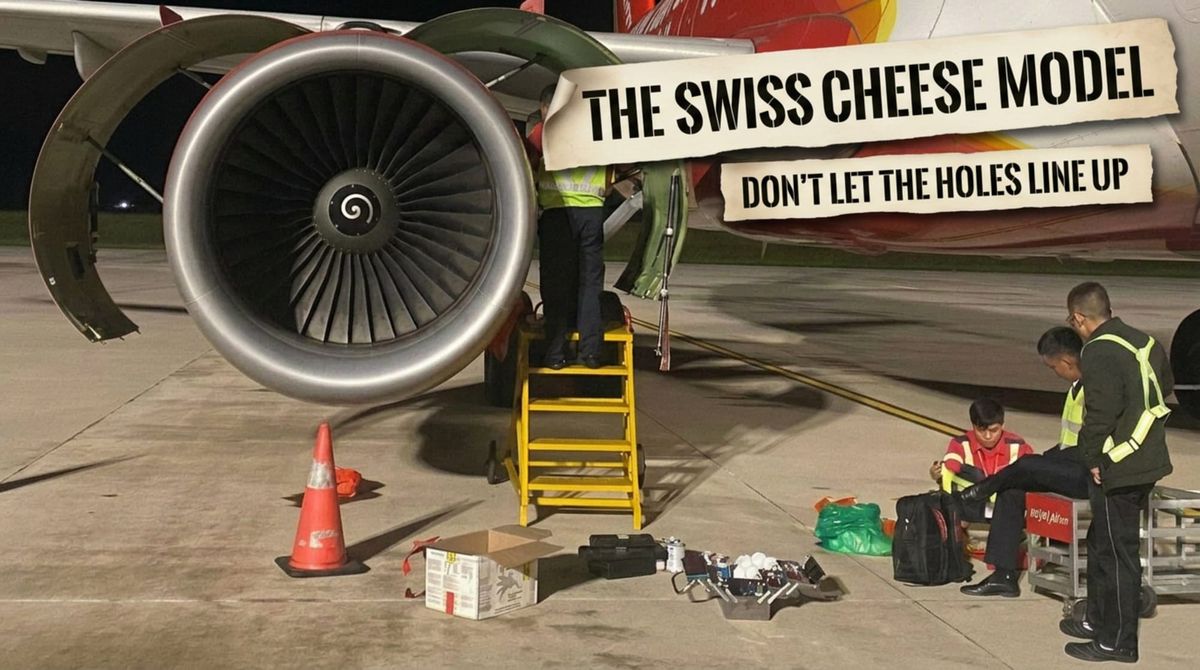
 Olivier Rouchard