The Startle Effect: The First 3 Seconds That Decide What Happens Next
When life shocks you, your brain goes offline for about three seconds. Aviation was forced to train for that gap — borrow the drill that turns reaction into response.
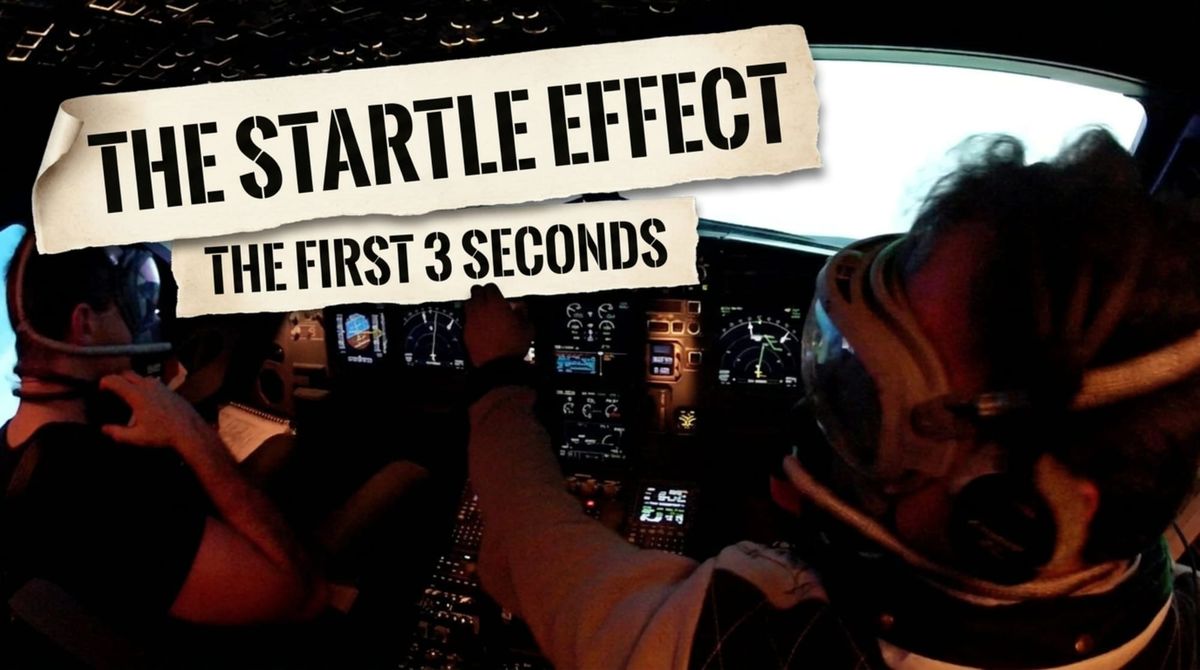
💭 When life shocks you, your brain goes offline for about three seconds. What you do in those seconds usually decides the rest.
Aviation was forced to train for it
✈️ A bang, an alarm, a change in the aircraft's behaviour. The pilot brain doesn't think, it reacts: heart pounding, vision tunnelling, hands clumsy. That's the Startle Effect, and the first job is to deal with it. Aviation has to keep everyone alive, so it built a drill:
- suspend all action (the critical one)
- call out what's happening to the aircraft
- run any memory actions.
Before any action, reset the brain. It is part of Threat and Error Management. — 🔗 read more.
Your stakes are just as important
🎯 You get startled too. The call from the school. The email from your boss. The diagnosis nobody saw coming. Your brain wants to react, and most people do: they fire back, panic-call, freeze, lash out. You never built a pause, because your emergencies felt survivable.
That's the gap, not a flaw in you. The pause is a skill, and you can borrow ours.
Turn reaction into response
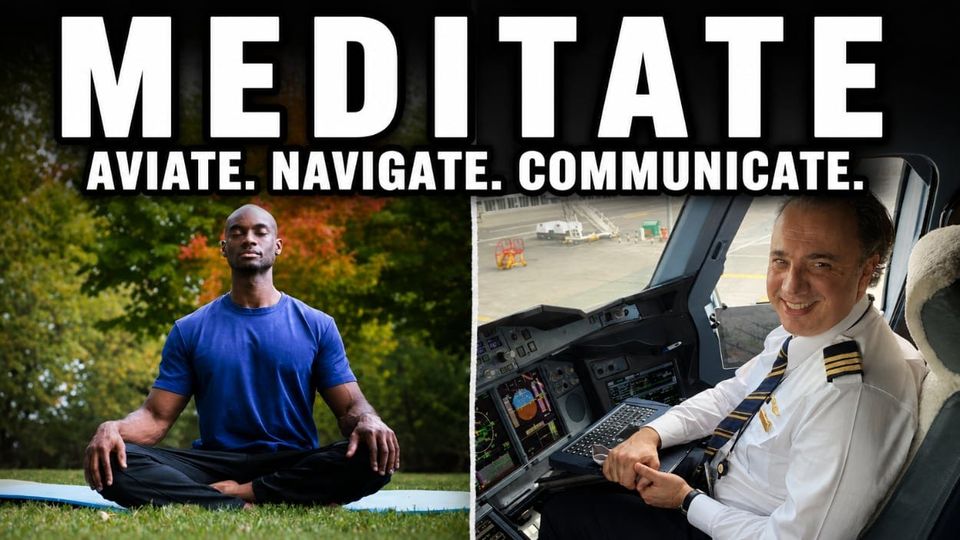
✅ Mine is one sentence: Aviate, Navigate, Communicate.
- Aviate: what's happening to me right now
- Navigate: where I want to be in ten minutes
- Communicate: what to say, to whom, and when.
That moves your brain from reaction to response. — 🔗 read more.
🚫 Don't trust the first three seconds. They are the worst moment to decide anything. Pause is the first action; the decision comes second. — 🔗 read more about DODAR.
☝🏼 We drill this in the cockpit until it runs itself, because it'll keep us alive. Your stakes are vital too, so drill it. That's exactly why the borrowed habit is such an edge: the pause resets the startle.