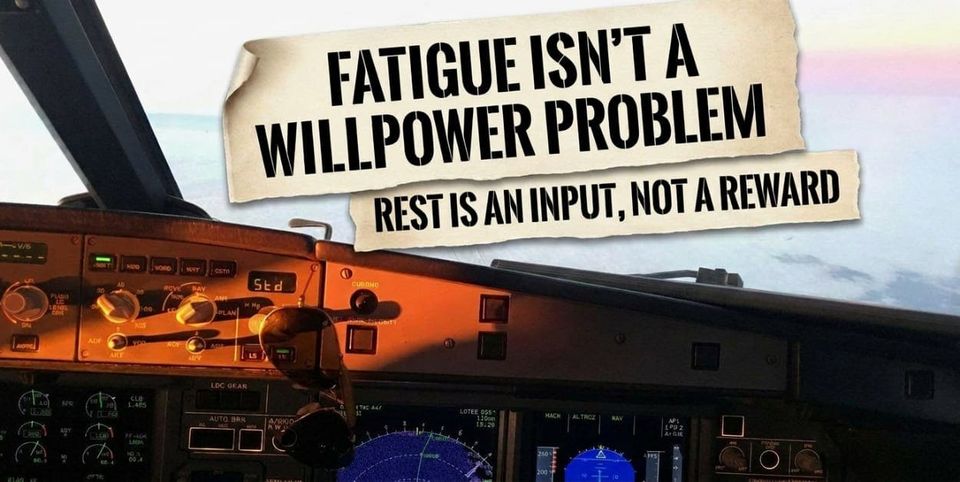
Aviation Fatigue Isn't a Willpower Problem You're not lazy — you're tired, and willpower can't touch it. Pilots treat fatigue as a hard limit, not a weakness. Rest is an input, not a reward.
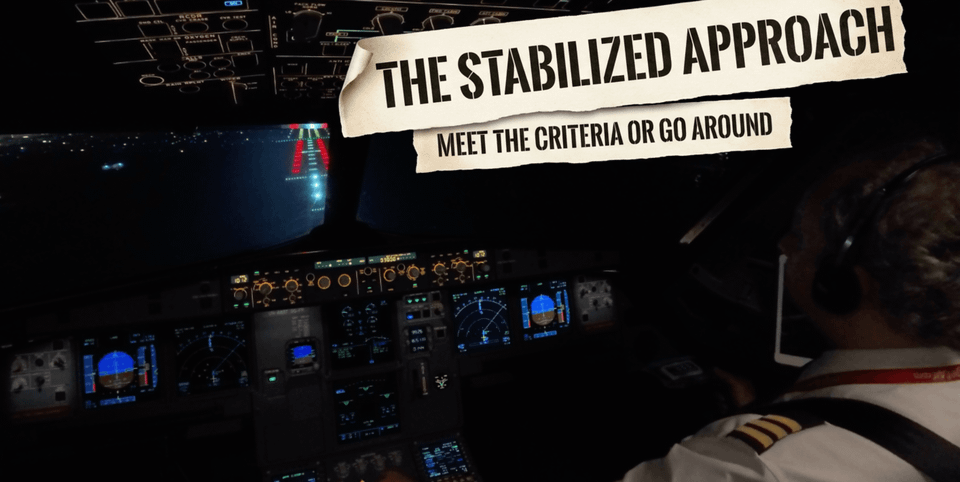
Aviation The Stabilized Approach: Set the Criteria, Not the Outcome Decide what 'on track' looks like before the pressure hits — or abandon the approach. The pilot's rule for pre-committing to your standards.
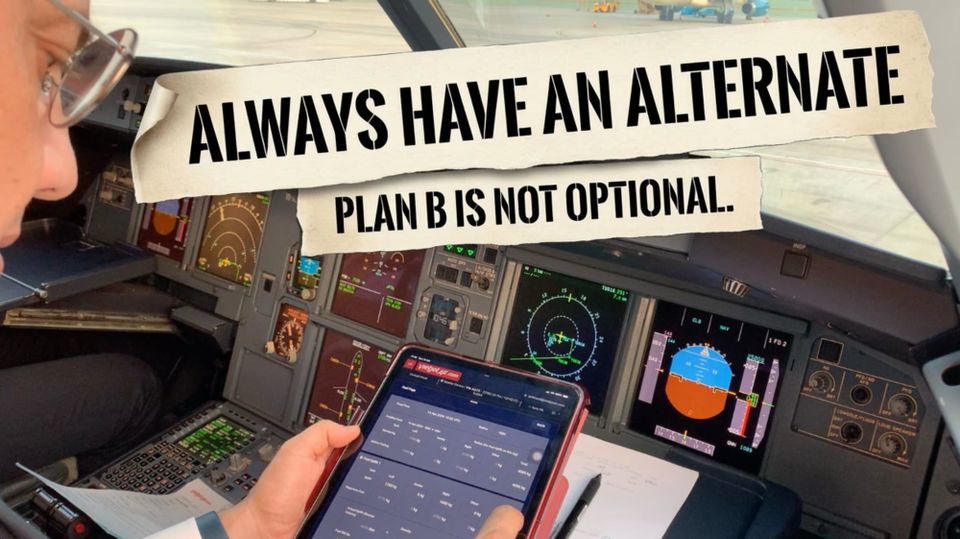
Aviation Always Have an Alternate: The Plan B Pilots Never Fly Without No pilot takes off without a backup airport — it's the law. A named Plan B turns a crisis into a decision. How to carry an alternate through your own life.
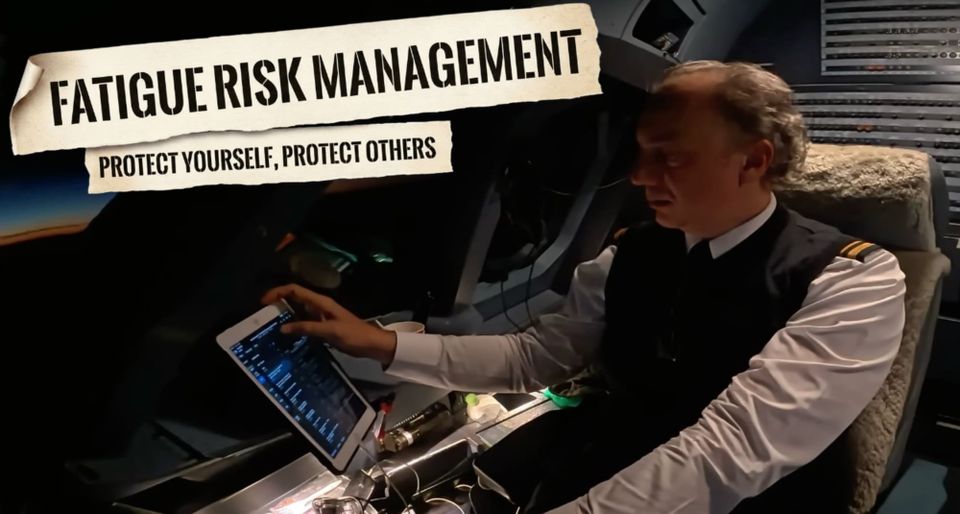
Aviation Protect Yourself — Protect Others — Don't Be Negligent: Fatigue Risk Management Tiredness isn't weakness — it's a hazard you can measure and manage. Fatigue Risk Management, as aviation does it, for shift workers and the chronically busy.
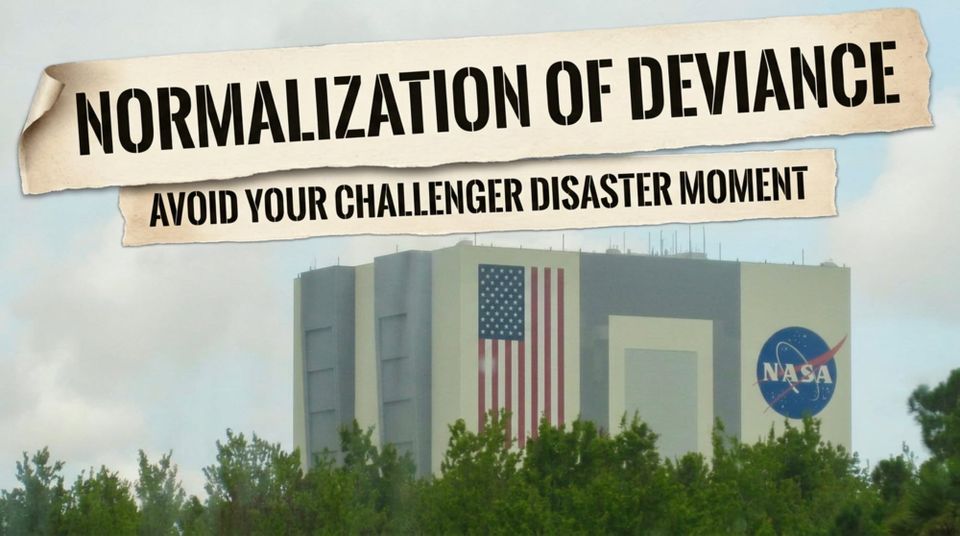
Aviation Normalization of Deviance: How Good Teams Drift Into Disaster Every shortcut that 'worked last time' becomes the new normal — until it doesn't. Normalization of Deviance: how good teams drift toward their own Challenger moment.
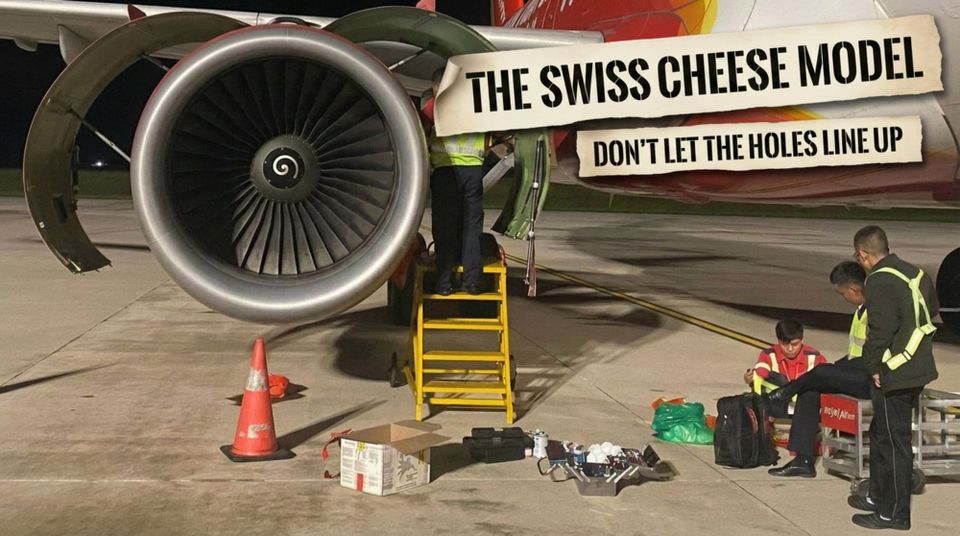
Aviation Bad Days Come From 5 Slices of Swiss Cheese (the Safety Model, Not the Snack). Disasters don't come from one big mistake. They come from small holes lining up. The Swiss Cheese Model: how pilots catch a bad week before it cascades.
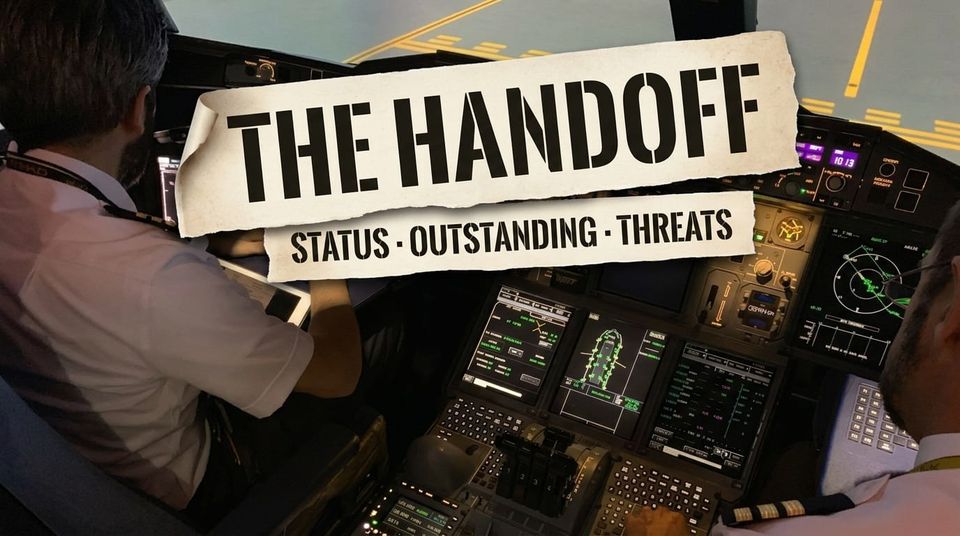
Aviation How to "Hand Off" Anything in 30 Seconds A dropped ball is almost never a skill failure — it's a handoff that never happened. The 30-second briefing pilots use: status, outstanding, threats.
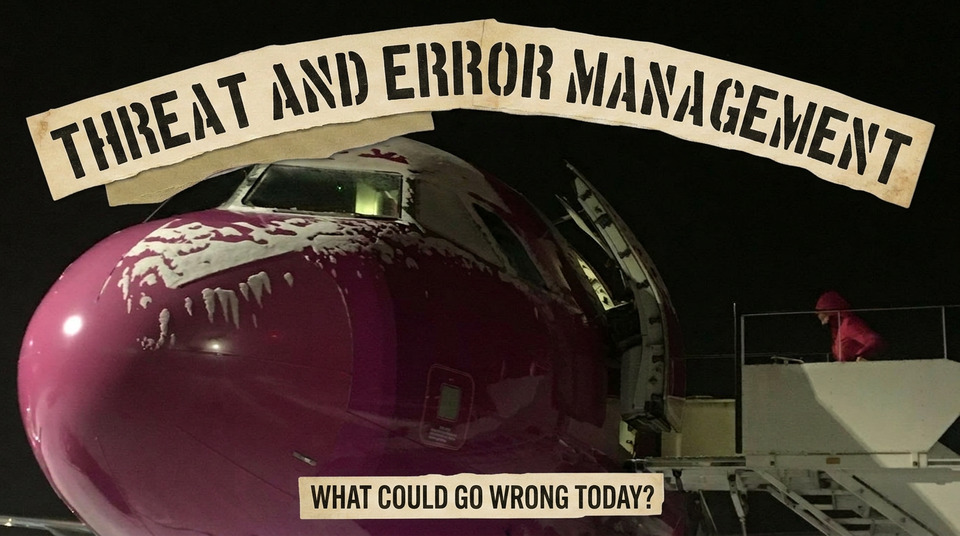
Aviation What Could Go Wrong Today? Ask Like a Pilot. Most bad days don't ambush you — they warn you first. Threat and Error Management is the pilot's habit for naming the threat (and the error) before it bites.
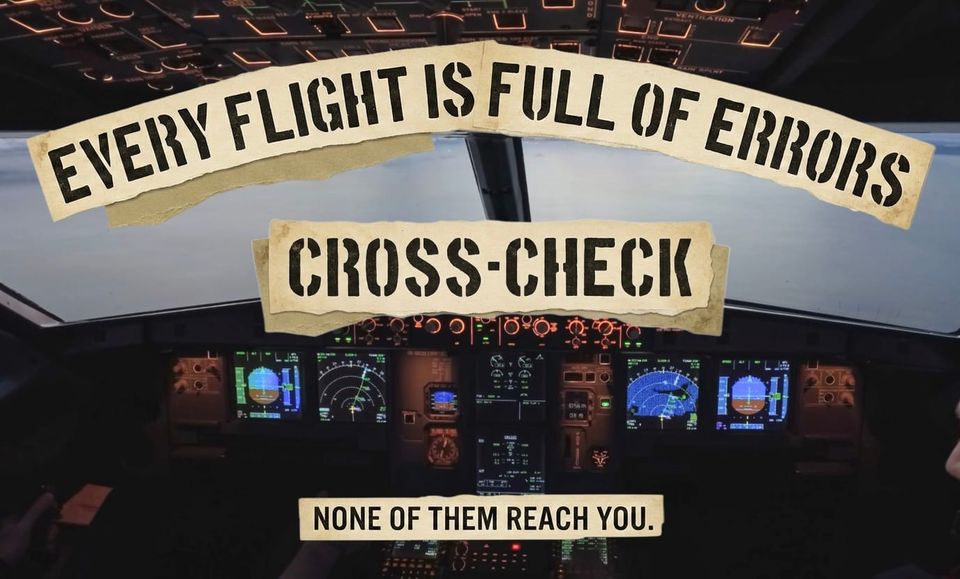
Aviation Every Flight Is Full of Errors. None of Them Reach You. The small error you'll never catch alone, a second set of eyes catches in seconds. Why pilots cross-check everything out loud — and you should too.