Run Your Home Like a Flight Crew: The System That Made Flying Safe
Most homes run on one exhausted captain — a single point of failure. The cockpit system that fixed it, and made flying safe, works at home too.
💭 Most households run on a single, exhausted captain. One parent is carrying the mental load while everyone else waits for instructions. It works, until that one person is sick, stressed, or away. This is a single point of failure.
✈️ Aviation had the same problem, and it was the number-one killer. By the 1970s, most accidents weren't engines failing — they were crews failing. A captain who wouldn't listen. A first officer who wouldn't speak up. The rest of the crew was not even included in the loop.
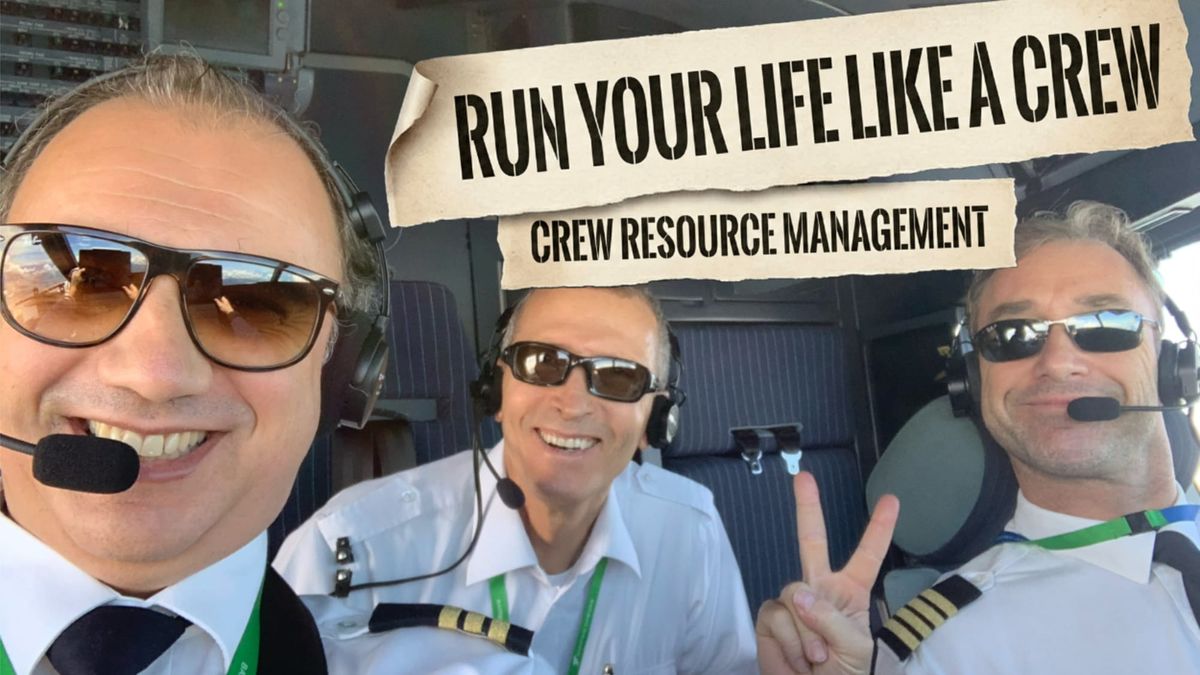
Technology and automation solved almost all flying issues. It was a form of "AI" long before we called it that. But the real safety breakthrough came with Crew Resource Management. It treats every person, flight deck to cabin to ground crew, as a resource. Information flows in every direction. Contribution is paramount while authority is respected. CRM turned flying into the safest form of travel in history.
🎯 A home runs better on the same rule. Your partner is not a subordinate. Your kids are junior crew — limited authority, real contribution. Your parents, your help, your friends are the extended crew.
✅ So run it like one: brief them, and ask them to brief you. Debrief together — by the way, this is called 'talking' — and let someone else chair it. Listen when they see what you've missed. And when the information comes, acknowledge it, out loud.
🚫 Do it the other way — one hero, everyone else waiting — and you build a single point of failure into the people you love most.
☝🏼 A well-run crew will survive a bad captain. A bad crew will sink a good one. This is not a soft skill — it is how aviation stopped killing people.