3 Nationalities. 1 Cockpit. Zero Confusion!
A Mexican, a Vietnamese and a Frenchman share one cockpit and never misread each other. The system, not the culture, does the talking.
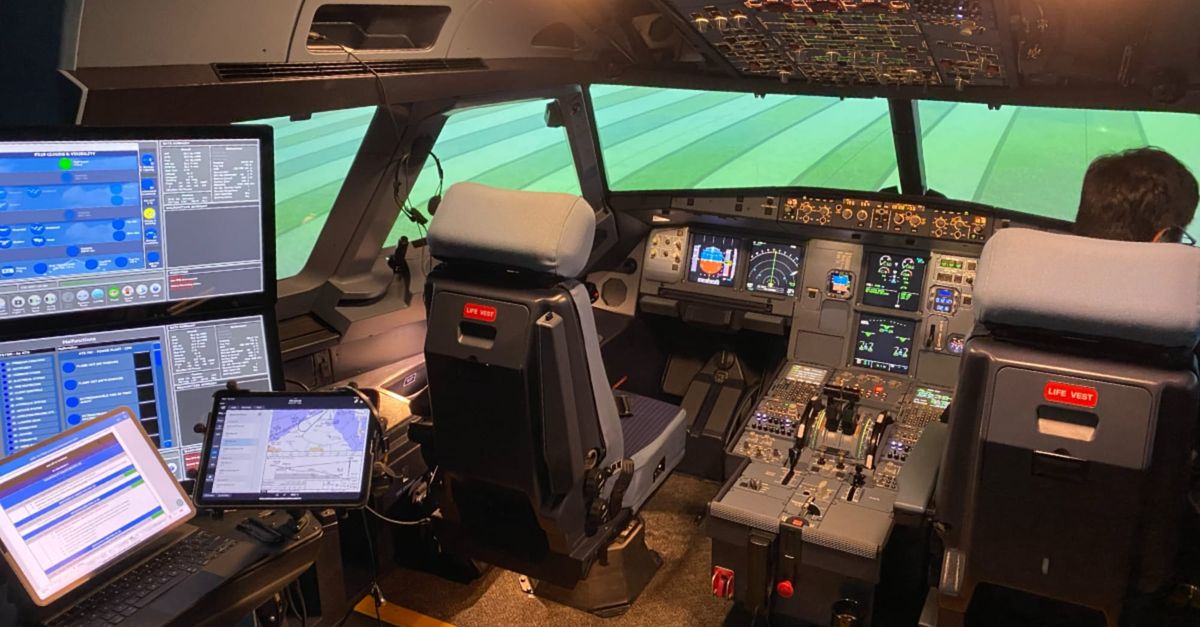
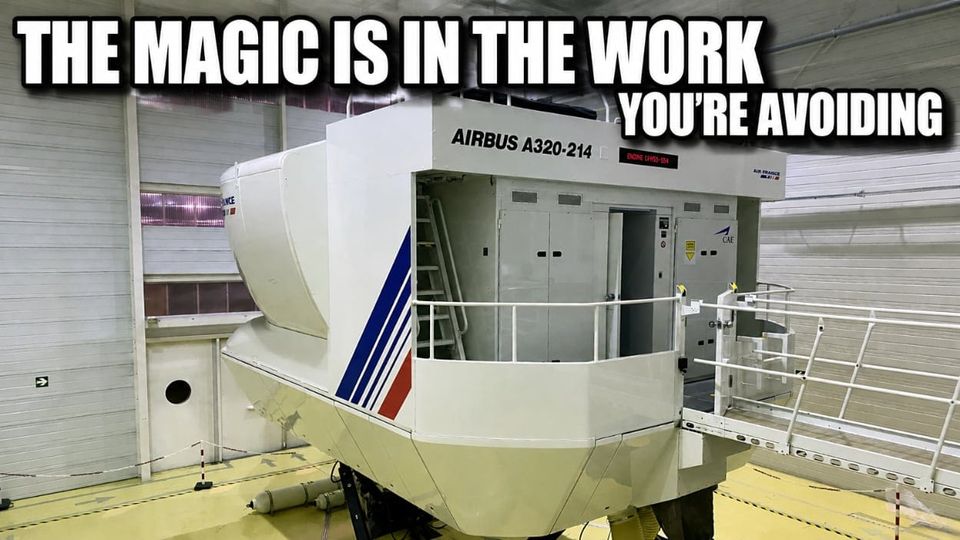
He is Mexican. The instructor is Vietnamese. I am French. We are at our airline's training centre in Ho Chi Minh City (better known as Saigon) in Vietnam.
Here is the setting:
- We are about to spend 4 hours in the full-motion Airbus A320 simulator.
- The aircraft is mostly French with some German logic.
- The Vietnamese air law system is the European one adapted to local operation.
- Three non-English native languages will execute instructions written in German and French, but translated into English.
There will be no confusion.
Not because we share a culture. We don't. Not because we agree on everything. We won't.
The instructor has briefed the session extensively, but he will also inject new items into the scenarios that we have not seen.
- System failures.
- Workload management.
- Situation Awareness.
- Threat and Error management.
- and more…
It is all coming into the mix.
When something goes wrong at high speed and low altitude, the Mexican pilot doesn't come up with his approach. I don't reach for the French way. The Vietnamese instructor doesn't inject his. We will speak the same language. It's not English. It's the language of the system.
The method is our common ground.
In this way, foreign colleagues use a common framework that collapses cultural distance to zero, instantly.
This isn't unique to aviation. Any team that crosses cultures, from global companies to expat households, runs on very similar principles. Whether they name it or not.
The team that agrees on the procedure first never has to argue about who's right.